
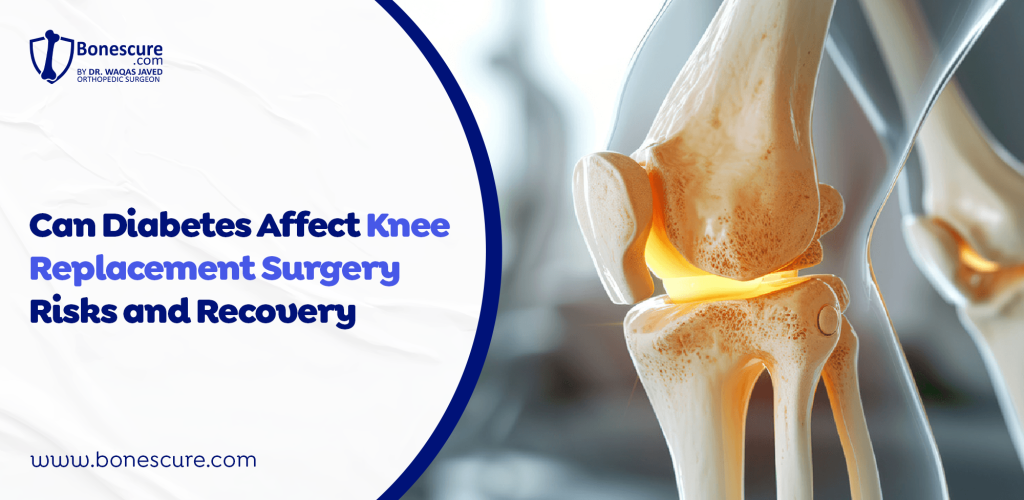
Among the various domains of life, health is a factor that must be a priority for everyone. If you are living with diabetes, it means you are in a more demanding condition. Alongside feeling painful sensations in joints, affecting everyday life in unexpected ways, it can worsen the situation. Indeed, knee joint pain can make you exhausted even in light activities such as walking, going upstairs, and standing up. For advanced medical conditions of joints, surgeons always go for replacements. Though it is hard to decide to undergo knee replacement surgery in a normal health situation, the decision becomes even more difficult with preexisting diabetes.
Knee replacement surgery can provide lasting relief from chronic knee pain, helping patients regain mobility and improve their quality of life. If you have diabetes, you may wonder whether it is safe to undergo the procedure. The good news is that diabetes does not prevent you from achieving a successful outcome, provided your condition is well managed before and after surgery.
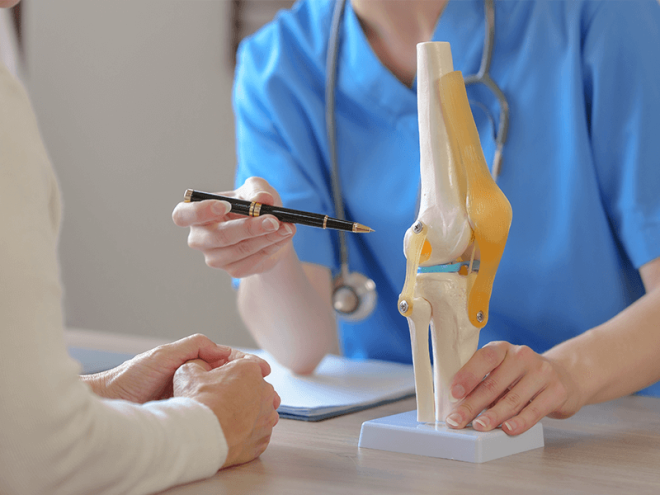
Choosing an experienced orthopedic surgeon, such as Dr. Waqas Javed from Bones Cure, can further improve your chances of a smooth recovery. Renowned for his expertise in joint replacement, trauma surgery, and patient-centered care, Dr. Waqas Javed offers personalized treatment plans designed to optimize surgical outcomes.
In this article, we explain how diabetes can affect knee replacement surgery, the potential risks involved, and the steps you can take to maximize the benefits of the procedure while minimizing complications.
Diabetes is a disease where the body fails to maintain glucose levels properly in the bloodstream. Consistently high glucose levels over time may damage the blood vessels, nerves, and immune system in the body. All these effects predispose someone to several health issues. Among these, bones and joint problems are high on the list.
The presence of diabetes makes an individual more susceptible to developing;
Most of the people with diabetes happen to be overweight people. It adds additional pressure on their knees and causes early wear of cartilage. If medication, therapies or other treatment strategies do not improve symptoms, the knee replacement procedure is an effective treatment choice.
You Can Return To The Activities You Love, No Matter How Complex The Problem Is: Visit Bones Cure. Step Up For Safer Surgery, Faster Recovery And Lasting Mobility: Meet Dr Waqas Javed.
While knee replacement is normally considered a very safe procedure, the risk of certain types of complications increases for people with diabetes. Taking preventive measures is only possible when you are aware of how diabetes affects the knee replacement. Below is a description;
The most dangerous complication for diabetic patients undergoing this procedure is infection. The elevated level of blood sugar makes it difficult for the body to combat bacteria. Hence, there could be an infection of the wound, but even more likely – joint infection.
An infection of the knee replacement may require further surgeries, long-term antibiotics treatment, or even the removal of the implant. The only way to avoid it is proper management of blood sugar.
Poor circulation is a major side effect of diabetes. This makes the oxygen and nutrient supply to the surgical area difficult, and thus, leads to slow healing of wounds.
Another impact of slow healing is an increased probability of infections, which again is most dangerous. Therefore, patients with diabetes need to be more attentive regarding signs of any complication, even minor ones, to successfully rehabilitate.
Any post-orthopedic surgery has the risk of DVT (deep vein thrombosis). It is the formation of blood clots in deep veins located in the legs. In addition to diabetes itself, the development of such complications can be promoted by obesity and reduced motor activity.
As preventive measures, doctors always prescribe anticoagulants, compression garments, and walking exercises.
In many cases, people suffering from diabetes have other diseases such as high blood pressure, cardiovascular disorders, and kidney problems. All of these diseases complicate the process of anesthesia and surgery. Preoperative medical examination will allow identifying all these risks in advance and planning the right strategies to avoid inconvenience.
Higher glucose concentration in the bloodstream affects your body in multiple ways. One of its significant impacts appears on both muscle strength and nervous functions. This is why the rehabilitation period is a little bit longer for diabetics. However, patients who undergo physical therapy and manage their glucose properly achieve great outcomes.
Whatever you are going to do, preparing yourself well can make a great difference in the outcomes. The same is true about knee replacement surgery. The preparation does not mean a one-day effort. It starts several weeks before the procedure. You must do the following in collaboration with your healthcare team.
Moreover, patients need to inform the surgeon about their medical history and medication intake.
Having an artificial joint in replacement of a natural one is not an easy task. Hence, recovery after knee replacement surgery not only needs your attention but also patience. It usually takes several months. Though diabetes may impair recovery in some cases, it is not something unresolvable. The following medical recommendations may greatly help.
The physical therapy starts right after the surgery, usually on the very first day. This procedure will help to:
Regular participation in such therapies is one of the most critical elements for successful results.
Surgery may cause a temporary increase in blood sugar due to stress and less physical activity. Regular checking enables health practitioners to make changes in medicines. Moreover, consistent glucose levels contribute to the healing process and decrease the likelihood of infections.
Postoperative patients need to check the surgical wound on a daily basis for any signs of:
Any changes in the above signs require contacting the surgical team immediately.
Proper nutrition is very important for postoperative recovery. Proteins help in rebuilding tissues, whereas vitamins and minerals help to boost immunity.
Therefore, the diet must consist of:
Restriction of sugars is necessary in order to stabilize glucose levels in the blood.
There are various measures that people with diabetes can undertake in order to enhance their surgical results:
Such precautions will greatly reduce complications and help.
In conclusion, managing diabetes and knee pain requires careful attention and a well-planned treatment approach. If your joint condition becomes severe and starts affecting your quality of life, surgery may be the best option. While some patients explore arthroscopic knee surgery for certain knee conditions, advanced arthritis often requires knee replacement instead. People with diabetes may face a higher risk of infection, delayed wound healing, thrombosis, and slower recovery, but these complications can be significantly reduced with proper blood sugar control and a comprehensive pre-surgery plan.
Overall, knee replacement surgery is generally safe and effective for people with well-controlled diabetes. Careful blood sugar management, thorough preoperative planning, and expert surgical care are key to achieving the best possible outcomes. An experienced orthopedic surgeon, such as Dr. Waqas Javed from Bones Cure, is skilled in managing complex cases, including patients with diabetes, and develops personalized treatment plans to minimize risks and support a smooth recovery. Although diabetes can influence the healing process and increase the risk of certain complications, following your surgeon’s advice, maintaining good blood sugar control, adopting a healthy lifestyle, and actively participating in your rehabilitation program can significantly improve your recovery and long-term surgical success.